
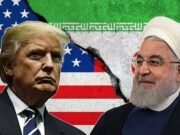











The recent geopolitical tension involving Iran and the United States under the leadership of Donald Trump has once again shaken global energy markets. Predictably, crude oil prices have surged. As a direct consequence, the domestic price of Premium Motor Spirit (PMS) in Nigeria has climbed from below ₦800 per litre to well above ₦1,000 in many parts of the country.

In the familiar Nigerian tradition of searching for immediate culprits, many citizens have turned their anger toward the administration of Bola Ahmed Tinubu, calling for the return of fuel subsidy. While the frustration of Nigerians facing higher living costs is understandable, the call to restore subsidy represents a dangerous step backward that could undermine the country’s economic future.
Fuel subsidy is a costly illusion. For decades, fuel subsidy operated as a political pacifier rather than an economic policy. The policy created the illusion of cheap fuel while draining national resources that should have been invested in infrastructure, healthcare, education, and productive sectors of the economy. Before subsidy removal in 2023, Nigeria was spending trillions of naira annually to keep petrol prices artificially low. Much of this money never benefited ordinary Nigerians. Instead, it enriched a network of middlemen, smugglers, and rent-seekers who exploited price differentials between Nigeria and neighbouring countries.
Subsidy turned Nigeria into a paradise for fuel smuggling. Petrol bought cheaply in Nigeria was transported illegally to countries where prices were far higher. In effect, Nigeria was subsidizing fuel consumption in other nations while its own citizens suffered from poor roads, underfunded hospitals, and failing schools.
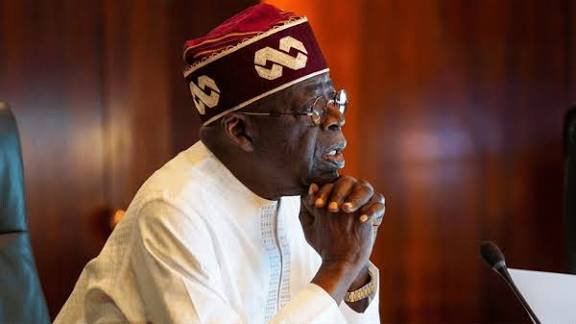
President Bola Tinubu embarked on a reform that was long overdue. The removal of fuel subsidy by the President was one of the most difficult but necessary economic reforms undertaken in recent years. It was a bold acknowledgement of a reality that previous administrations avoided confronting: Nigeria could simply no longer afford the fiscal burden of subsidy.
By ending subsidy payments, the government halted a massive financial leak in the national treasury. The funds previously spent on subsidizing petrol can now be redirected toward development projects that benefit a far larger segment of the population. No serious economy sustains prosperity by subsidizing consumption indefinitely. Sustainable growth comes from investing in productivity, infrastructure, and human capital.
Higher global oil prices are not entirely bad. Ironically, the same global oil price increase that has pushed domestic fuel prices upward also provides Nigeria with an opportunity. As an oil-producing country, Nigeria earns more revenue when crude prices rise. Higher oil prices strengthen government revenue, improve foreign exchange inflows, and enhance the country’s fiscal capacity to invest in development. If properly managed, this windfall can support infrastructure expansion, social investment programs, and economic diversification.
Returning subsidy would immediately swallow this potential revenue gain and push Nigeria back into fiscal crisis.
Economic reforms are rarely painless. Nations that have successfully transformed their economies, from Asia to parts of Latin America, did so by enduring temporary hardship in pursuit of long-term stability. Nigeria is currently undergoing a difficult but necessary transition. The removal of fuel subsidy is part of broader reforms aimed at correcting structural distortions in the economy.
Reversing the policy now would send a damaging signal that Nigeria lacks the political courage to sustain reform. Investors, both local and international, would lose confidence in the country’s policy direction.
While the government must continue to cushion the impact of reforms through targeted social interventions, Nigerians also have a role to play in supporting policies that ultimately strengthen the economy. Citizens must recognize that cheap petrol was never truly cheap. The country paid for it through mounting debts, neglected infrastructure, and a weakened economy.
The current moment demands patience, civic responsibility, and a collective commitment to national progress.
Nigeria stands at a crossroads. One path leads back to the familiar cycle of subsidy, fiscal waste, and economic stagnation. The other leads to reform, discipline, and sustainable growth.
The temptation to return to subsidy may be politically attractive, but it would be economically disastrous.
For Nigeria to secure a stable and prosperous future, the reforms initiated by the administration of President Bola Tinubu must not only continue, they must deepen.
The nation has already taken the hardest step. Turning back now would only prolong the journey toward economic recovery. Instead, Nigerians must rally behind reforms that promise long-term prosperity, even if they demand short-term sacrifice.