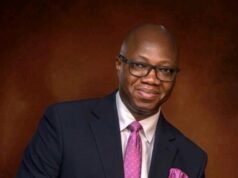





















When the late Abiola Ajimobi elevated Ibadan high chiefs to beaded-crown monarchs, the sky did not merely rumble; it cracked. Ibadan rose in fury. The streets growled. The political consequences were swift and unforgiving. Ajimobi’s senatorial ambition sank beneath the weight of cultural backlash, and the All Progressives Congress paid heavily at the polls.
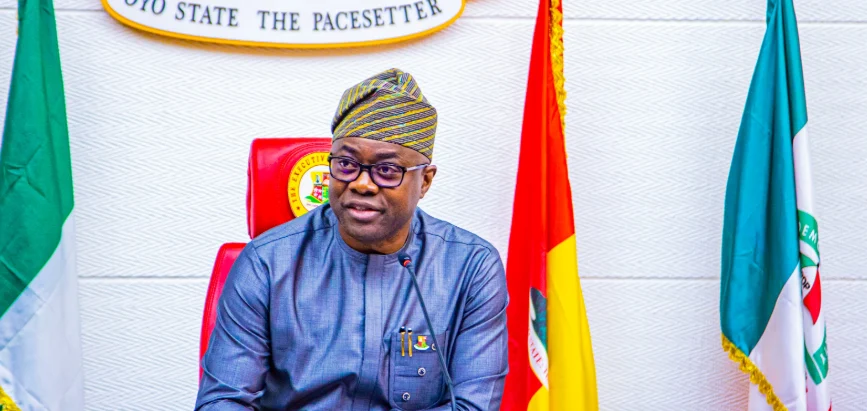
Today, history stands again at the gates of Oyo State but this time, the actor is Seyi Makinde, and the script reeks not of reform but of calculated audacity.
Eight years after Ajimobi’s so-called “faux pas,” Makinde has not merely revisited the controversy, he has institutionalised it. By amending the Oyo State Chiefs Law to grant the governor sweeping authority to appoint kings in any part of the state, Makinde has effectively placed centuries-old traditions under executive discretion. What Ajimobi did controversially, Makinde has now made structurally convenient. This is not reform. It is centralisation dressed in agbada.

It is a dangerous precedent. Traditional institutions in Yorubaland are not ornamental appendages of government. They are sacred, historically layered systems built on lineage, customs, and communal consensus. The Alaafin stool in Oyo, the Olubadan system in Ibadan; these are not political appointments to be dispensed like commissioner portfolios.
By arrogating to himself the power to create or elevate monarchs at will, Makinde risks turning royal stools into political rewards.
Today it is Oyo town; tomorrow, who knows which ancient hierarchy becomes subject to executive whim? The irony is thick. When Ajimobi acted, Ibadan erupted. When Makinde acts, Oyo murmurs. The difference is not principle; it is political atmosphere. Makinde enjoys a cushion of partisan sympathy that shields him from the intensity of backlash that buried Ajimobi’s political aspirations. But public silence is not public approval. It is often delayed resentment.
What all of these suggest are selective outrage and political hypocrisy. Those who condemned Ajimobi in thunderous tones now rationalise Makinde’s moves in whispers. The same intellectuals who warned against desecrating tradition now speak of “modernising chieftaincy administration.” The same activists who framed Ajimobi’s reform as cultural sacrilege now call Makinde’s amendment “legal clarity.” What changed? Certainly not tradition. Certainly not history. What changed is political alignment.
The uncomfortable truth is that Makinde has pushed further than Ajimobi ever did. Ajimobi’s action was controversial but specific. Makinde’s amendment creates an enduring executive weapon in a governor empowered to determine the royal architecture of the state. That is not evolution; that is executive expansionism.
Is this governance or grandstanding? At a time when Oyo State battles economic pressures, infrastructural deficits, youth unemployment, and rural insecurity, one must ask: is redrawing the map of kingship the most urgent legislative priority? The optics are troubling. While citizens grapple with daily hardship, the government invests political capital in crown politics. It raises suspicion that traditional institutions are being recalibrated less for cultural harmony and more for political alignment.
History teaches that tampering with traditional hierarchies is never a neutral act. It carries emotional, spiritual, and communal weight. Leaders who ignore that weight often learn too late that legitimacy is fragile.
The Encore That May Echo
Makinde’s encore may echo. He may appear politically secure today, but Ajimobi once seemed so too. The electorate can be patient, but it is rarely forgetful. If the governor believes that legal amendments insulate him from cultural consequences, he underestimates the depth of Yoruba traditional consciousness. Power granted by statute can still be challenged by sentiment. And sentiment, when it crystallises, reshapes political destinies. What Ajimobi suffered as backlash, Makinde may yet confront as reckoning.
Oyo State does not need a governor who crowns at will. It needs one who governs with restraint, respects inherited structures, and understands that tradition is not clay for political sculpting. In trying to correct a past controversy, Makinde may have crafted a far more dangerous legacy, one where kingship bends not to lineage, not to history, but to executive pleasure. And when tradition bends too far, it eventually snaps.