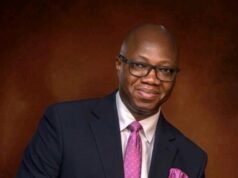









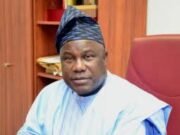








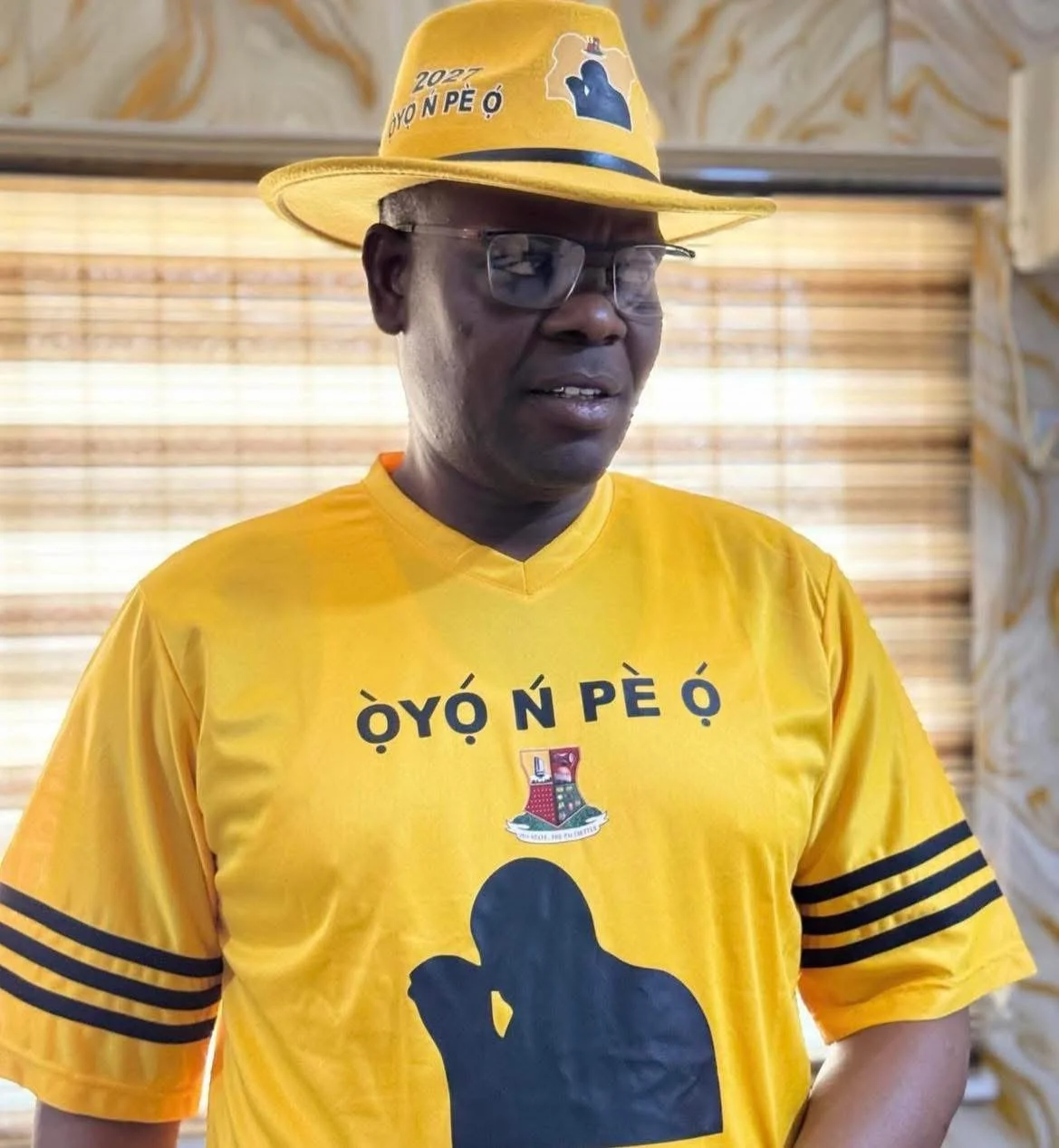


Oriyomi Hamzat’s declaration of interest in the Oyo State governorship has predictably triggered excitement across Ibadan and beyond. From Dugbe to Oje, from Ogbomosho to Oyo town, his name rides on the wings of radio popularity, emotional connection, and the daily intimacy he enjoys with listeners through the airwaves. Yet, beneath the hype lies a deeper question Oyo people have often avoided asking themselves: are we electing leaders, or merely celebrating the loudest voice of the moment?
Oriyomi Hamzat is not a political lightweight in influence and popularity. Through radio, especially in a state where Splash FM, Fresh FM and similar platforms shape public opinion, he has built a cult-like following. His interventions in family disputes, land matters, police cases and welfare emergencies have earned him the image of “the people’s advocate.” In a city like Ibadan, where government often feels distant with bureaucratic cruelty, such immediacy feels refreshing.

But Oyo State is not governed from a studio in Challenge or Bodija. It is governed through institutions, some efficient, many broken, that demand more than compassion and microphone courage. History should have taught us caution. Oyo people once rallied behind charismatic figures whose popularity did not translate into effective governance. We remember how the Ibadan factors of noise, crowd appeal, and populism have often overridden sober assessment. From the days of Lam Adesina’s grassroots appeal, through the technocratic rigidity of Abiola Ajimobi, to the pretence to populism and intellect of Seyi Makinde, each era shows that governance in Oyo is complex and unforgiving.
Today’s Oyo State wrestles with issues Oriyomi’s radio prowess alone cannot resolve. There’s a civil service still struggling with reform and morale. There are flood-prone communities like Apete, Odo-Ona and parts of Ibadan North. Education funding pressures from primary schools to post-primary schools, to LAUTECH and other state tertiaries. There’s the volatile issue of security coordination between Amotekun, the police and the local vigilantes. Urban congestion from Mokola to Iwo Road has been a perennial headache. The delicate politics of Ibadan, Ogbomosho, Oke-Ogun and Oyo zones require tact and sensitivity to resolve. These are not matters settled by public sympathy or on-air intervention. The danger, therefore, is not Oriyomi Hamzat’s ambition; it is Oyo people’s weakness for the “rave of the moment.” We have a habit of falling in love politically, then getting heartbroken and disappointed. We amplify emotions, not plans. We defend personalities, not policies. We shout down questions as “hatred” instead of treating them as democratic responsibility.
What is Oriyomi Hamzat’s position on Oyo’s internally generated revenue beyond federal allocation comfort? How does he intend to manage Ibadan’s political elite, traditional institutions like the Olubadan-in-Council, Oyo Council of Obas, and entrenched chieftaincy structures? What team of economists, administrators, and policy experts stands behind him not as radio guests, but as governing partners?
It’s important to clarify that it’s within Oriyomi’s right to aspire to govern Oyo State. No one should begrudge him of that legal right of entitlement. What, however, is more important than his lawful entitlement to governorship aspiration is the possession of charms, charisma, administrative competence and intellectual acumen that being the governor of a hefty state like Oyo demands.
The media must also look inward. Oyo’s radio culture is powerful, but it must not become an echo chamber of hype. Journalism is not cheerleading. A state that once produced political thinkers and activists as governors must not reduce its electoral choices to emotional waves driven by a presenter-turned-politician.Oyo State deserves leaders who understand that governance is not charity, not advocacy, and not entertainment. It is budgeting for pensioners in Agodi, managing markets in Alesinloye, funding schools in Oke-Ogun and other zones, and balancing Ibadan’s political volatility with statewide inclusion. The rave of the moment is intoxicating, but it fades quickly. Roads remain. Schools remain. Debts remain. Policies remain. If Oyo people continue to choose excitement over examination, popularity over preparedness, we will keep paying for yesterday’s applause with tomorrow’s regret.
Governance is not a radio programme. It has no commercial break, calling-in-live, and no rewind button. It’s a serious business. It comes with ability to identify talents and deploy talents towards stimulating growth and development.
To help Oyo citizens to make informed choices of who will lead them, other major parties must field governorship candidates who can lead and inspire the state back to growth and greatness. Oriyomi Hamzat would have been the breath of fresh air Oyo people want. But a governorship candidate, especially from the reigning opposition, without a baggage of crisis and corruption, with a neutrality that sets him apart from the recycled governorship aspirants and candidates, is what Oyo people desire.