






To call for liberation is to acknowledge the presence of bondage. Bondage may wear many faces — political, social, economic, cultural, spiritual, or even personal. Liberation, therefore, is the act of breaking free from restriction, injustice, and domination; it is the pursuit of freedom, dignity, and self-determination.
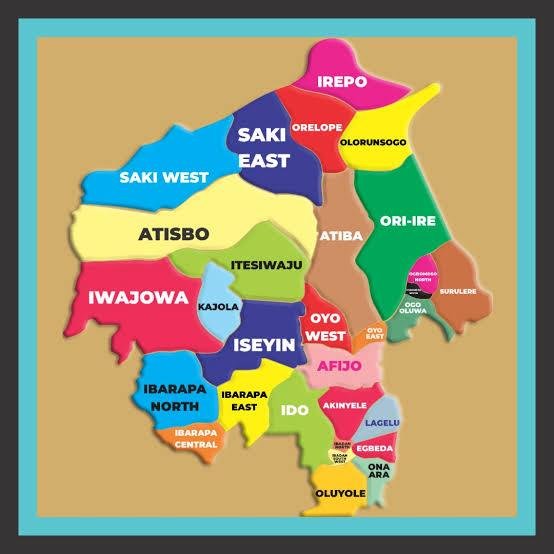
For decades, four of the five regions that make up Ọ̀yọ́ State — Òkèògùn, Ìbàràpá, Ọ̀yọ́, and Ògbómọ̀ṣọ́ — have cried out against marginalisation, exclusion, and neglect. Their voices echo the reality of inequity: where one region thrives, others languish; where opportunities abound for some, scarcity defines the rest. Infrastructure, resources, and governance remain skewed in favour of a single bloc, leaving the rest to endure stagnation and frustration.

Yet, liberation cannot be achieved in fragments. A divided people cannot free themselves. Unity of purpose is the master key to freedom. These regions must come together, speak with one voice, and agree on a common course. One region must take the first shot at the governorship in 2027, with others standing firmly behind, knowing that tomorrow will bring their turn. This is the Yoruba principle of “gbà fún Gbàdà n’ílé, gbà fún Gbàdà l’óko” — respect is reciprocal; what you sow, you reap.
But if disunity prevails, the story will remain the same: our golden opportunities will keep slipping into the hands of those who exploit our weakness. The truth is simple: can two walk together except they agree? Unity brings power, synergy, and victory; disunity breeds perpetual servitude.
Even worse is the tragedy of a people who have grown comfortable in captivity, blind to their chains. Enslavement is no longer imposed from outside but perpetuated from within — through inter-regional rivalries and intra-regional betrayals.
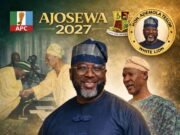
Take Òkèògùn, for example. The Ẹgbẹ́ Àjọṣepọ̀ Fún Ìtẹsiwájú Gbogbo Wa has made its mission clear: the governorship must rotate, and Òkèògùn must take its rightful shot in 2027. Yet, political manoeuvrings within parties threaten this dream. To offer Òkèògùn the party chairmanship instead of governorship is nothing but a diversion — a strategy we know too well, given that Òkèògùn has produced chairmen and deputy governors in abundance. These positions, recycled for decades, have brought no real emancipation. Òkèògùn does not need crumbs; Òkèògùn demands the crown.
We reject consolation prizes like chairmanship speakerships and deputy slots — they are all demotions dressed as promotions. What we seek is the governorship, and nothing less. The Yoruba wisdom reminds us: “Màkàn màkàn l’oyè é kàn; oyè tó kan ará Ìwó, ń bọ̀ wá kan ará Ẹdẹ” — chieftaincy is turn by turn. If justice means anything, then this is Òkèògùn’s turn.
But let us be clear: no one can liberate a slave who has made peace with his chains. The 2027 election will reveal whether we are truly tired of marginalisation or still content with excuses.
Above all, liberation will not come to citizens who sell their future for temporary gain on election day. If our votes are still for sale, our destinies will remain mortgaged. True emancipation begins in the mind — with the resolve to act, to unite, and to demand justice with one voice.
The choice is ours: remain enslaved by division and short-sightedness, or rise together to claim the freedom and leadership we deserve.
Pst. Favour Adéwọyin
Member, G22 Renewed.